Better Agricultural Results

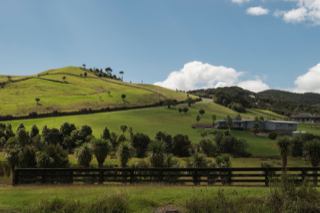
Helping landowners and farmers to maintain phosphate levels, reintroduce carbon to their soils, and improve the productivity of farms, orchards, vineyards, horticulture and more. We produce commercial quantities of biochar & wood vinegar and look forward to helping more landowners to manage environmental risks and enhance sustainability on your farm.


Our products

If you participate in certification schemes or accreditation programs that recognise adherence to specific environmental standards and best practices, our Premium Grade Biochar and Wood Vinegar will help you mitigate soil erosion, protect water quality, manage nutrient runoff, and preserve biodiversity.

Want to know about the process?

Applications

Agriculture & Horticulture

Agriculture & Horticulture

Biochar improves soil health and fertility, enhancing nutrient retention and availability, and buffering soil pH. It aids with. sequestering carbon to mitigate greenhouse gas emissions, reducing environmental pollution through decreased nutrient runoff, and promoting crop productivity and resilience to environmental stressors.

By incorporating biochar into agricultural soils, farmers and landowners can enhance soil microbial activity, improve nutrient retention and availability, increase cation exchange capacity, reduce the need for drenching, and promote plant growth and resilience. These soil improvements can lead to increased crop yields and quality and contribute to sustainable land management practices, aligning with New Zealand’s goals for environmental stewardship and agricultural sustainability.

Animal Feed

Animal Feed

Biochar improves soil health and fertility, enhancing nutrient retention and availability, and buffering soil pH. It aids with. sequestering carbon to mitigate greenhouse gas emissions, reducing environmental pollution through decreased nutrient runoff, and promoting crop productivity and resilience to environmental stressors.

By incorporating biochar into agricultural soils, farmers and landowners can enhance soil microbial activity, improve nutrient retention and availability, increase cation exchange capacity, reduce the need for drenching, and promote plant growth and resilience. These soil improvements can lead to increased crop yields and quality and contribute to sustainable land management practices, aligning with New Zealand’s goals for environmental stewardship and agricultural sustainability.

Infrastructure & Construction

Infrastructure & Construction

By incorporating biochar into construction materials such as concrete, soil blocks, or geotextiles, you can improve the durability and stability of farm infrastructure, such as roads, embankments, and retaining walls.

Biochar’s high porosity and water retention capacity make it an effective additive for soil stabilisation, reducing erosion and landslide risks on sloping terrain. Biochar-amended soils can act as natural filters for stormwater runoff, capturing sediment and pollutants before they reach waterways. Through the integration of biochar into construction practices, you can enhance the resilience and sustainability of agricultural infrastructure, minimising environmental impacts and promoting long-term land management.

Water Management

Water Management

When applied to soils, biochar improves soil structure and porosity, which increases water infiltration and retention. This helps to reduce surface runoff and soil erosion, thereby minimising sedimentation in water bodies and improving overall water quality.

Biochar also acts as a sponge, absorbing and retaining nutrients such as nitrogen and phosphorus, which reduces the risk of nutrient leaching. Biochar supports healthier ecosystems and reduces the need for synthetic fertilisers, further mitigating potential water pollution from agricultural runoff.

Mine & Land Rehabilitation

Mine & Land Rehabilitation

By incorporating biochar into degraded soils, particularly those affected by mining activities, landfills, or industrial contamination, biochar helps to improve soil structure, enhance water retention, and promote the establishment of vegetation. Its ability to adsorb heavy metals and organic pollutants reduces soil toxicity and prevents further environmental degradation.

Biochar acts as a long-term carbon sink, contributing to carbon sequestration and mitigating greenhouse gas emissions. Through the use of biochar in mine and land rehabilitation projects, New Zealand can restore degraded landscapes, protect biodiversity, and promote sustainable land management practices, aligning with the country’s commitment to environmental conservation and restoration.

Medicinal

Medicinal

Emerging research into biochar spans diverse industries, including its potential medicinal applications for gastrointestinal health and antimicrobial properties. Environmental studies focus on biochar’s role in soil remediation by sequestering contaminants and enhancing carbon storage, while agricultural research explores

its benefits for soil health, nutrient retention, and crop productivity. Biochar’s production from organic waste contributes to research into renewable energy strategies, highlighting its multifaceted potential to promote environmental sustainability and resource efficiency across various sectors globally.

Agriculture & Horticulture

Agriculture & Horticulture

Biochar improves soil health and fertility, enhancing nutrient retention and availability, and buffering soil pH. It aids with. sequestering carbon to mitigate greenhouse gas emissions, reducing environmental pollution through decreased nutrient runoff, and promoting crop productivity and resilience to environmental stressors.

By incorporating biochar into agricultural soils, farmers and landowners can enhance soil microbial activity, improve nutrient retention and availability, increase cation exchange capacity, reduce the need for drenching, and promote plant growth and resilience. These soil improvements can lead to increased crop yields and quality and contribute to sustainable land management practices, aligning with New Zealand’s goals for environmental stewardship and agricultural sustainability.

By incorporating biochar into animal feed, you can mitigate the negative effects of mycotoxins and pathogens, enhance nutrient absorption, and promote gut health in livestock.

Biochar can increase milk production in dairy cows and weight gain in ruminant animals such as sheep and beef cattle, reduce methane emissions, increase fertility rates, and be beneficial to calf and lamb weaning. Biochar also helps horses with stomach acidity. Through the use of biochar in animal feed formulations, you have the opportunity to enhance the efficiency and sustainability of livestock production while maintaining high standards of animal welfare and food safety.

Animal Feed

Animal Feed

Infrastructure & Construction

Infrastructure & Construction

By incorporating biochar into construction materials such as concrete, soil blocks, or geotextiles, you can improve the durability and stability of farm infrastructure, such as roads, embankments, and retaining walls.

Biochar’s high porosity and water retention capacity make it an effective additive for soil stabilisation, reducing erosion and landslide risks on sloping terrain. Biochar-amended soils can act as natural filters for stormwater runoff, capturing sediment and pollutants before they reach waterways. Through the integration of biochar into construction practices, you can enhance the resilience and sustainability of agricultural infrastructure, minimising environmental impacts and promoting long-term land management.

When applied to soils, biochar improves soil structure and porosity, which increases water infiltration and retention. This helps to reduce surface runoff and soil erosion, thereby minimising sedimentation in water bodies and improving overall water quality.

Biochar also acts as a sponge, absorbing and retaining nutrients such as nitrogen and phosphorus, which reduces the risk of nutrient leaching. Biochar supports healthier ecosystems and reduces the need for synthetic fertilisers, further mitigating potential water pollution from agricultural runoff.

Water Management

Water Management

Mine & Land Rehabilitation

Mine & Land Rehabilitation

By incorporating biochar into degraded soils, particularly those affected by mining activities, landfills, or industrial contamination, biochar helps to improve soil structure, enhance water retention, and promote the establishment of vegetation. Its ability to adsorb heavy metals and organic pollutants reduces soil toxicity and prevents further environmental degradation.

Biochar acts as a long-term carbon sink, contributing to carbon sequestration and mitigating greenhouse gas emissions. Through the use of biochar in mine and land rehabilitation projects, New Zealand can restore degraded landscapes, protect biodiversity, and promote sustainable land management practices, aligning with the country’s commitment to environmental conservation and restoration.

Emerging research into biochar spans diverse industries, including its potential medicinal applications for gastrointestinal health and antimicrobial properties. Environmental studies focus on biochar’s role in soil remediation by sequestering contaminants and enhancing carbon storage, while agricultural research explores

its benefits for soil health, nutrient retention, and crop productivity. Biochar’s production from organic waste contributes to research into renewable energy strategies, highlighting its multifaceted potential to promote environmental sustainability and resource efficiency across various sectors globally.

Medicinal

Medicinal

Applications

Agriculture & Horticulture

Agriculture & Horticulture

Animal Feed

Animal Feed

Mine & Land Rehabilitation

Mine & Land Rehabilitation

Water Management

Water Management

Medicinal

Medicinal

Infrastructure & Construction

Infrastructure & Construction

Products

To place an order for any of our Southland Carbon product range, please contact us at enquiries@southlandcarbon.co.nz

Premium Biochar 5L

Premium Biochar

Biochar, derived from organic matter via pyrolysis, enriches soil fertility, retains moisture, and boosts plant growth. It can be also used in livestock feed to improve health and efficiency.

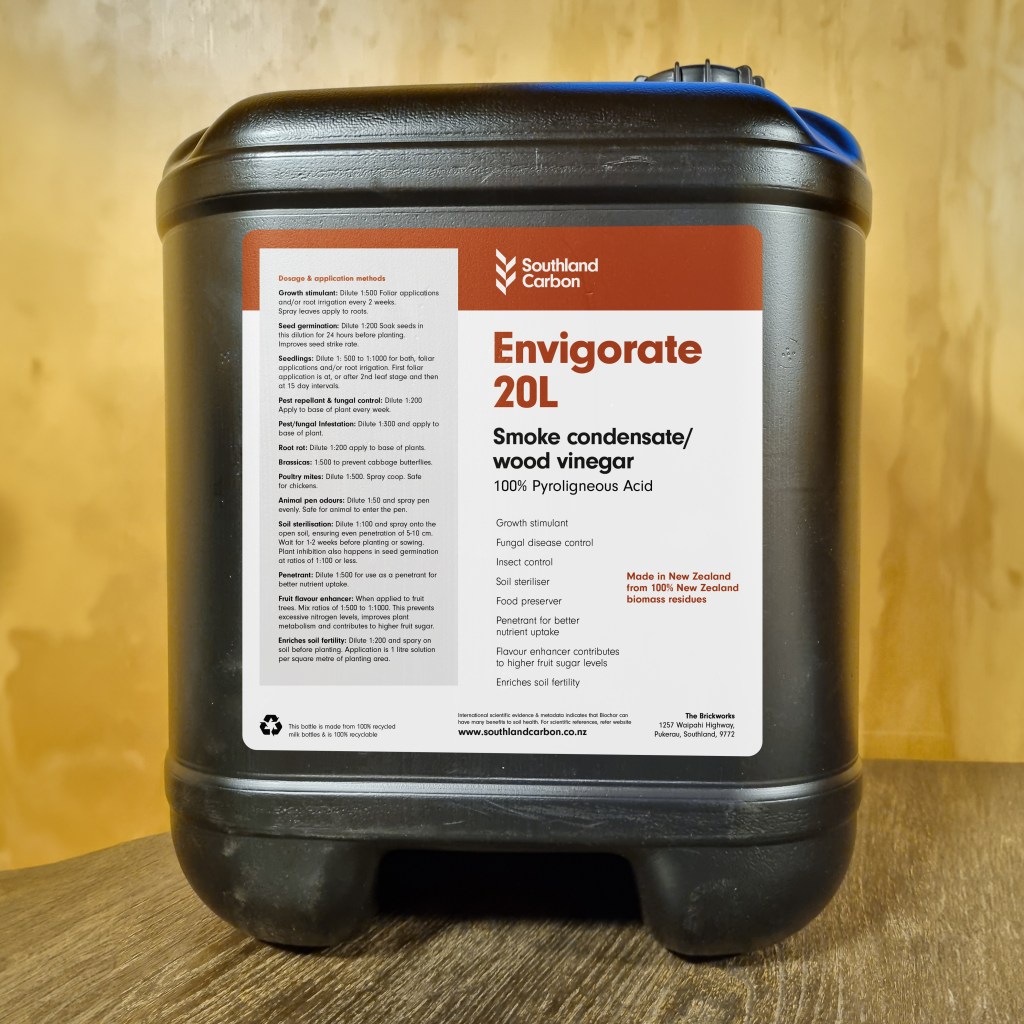
Envigorate 20L

Envigorate

Wood vinegar, distilled from wood smoke, is a marvel of tradition and sustainability. It serves as a natural pesticide, soil enhancer, plant growth stimulant, and odour neutraliser.

Grade 1 biochar – Above 85% carbon

Made in New Zealand from New Zealand wood biomass residues

Natural & chemical free

Partnerships

The future of New Zealand agriculture

Subscribe to receive updates